Buy 953.eu ?
We are moving the project
953.eu .
Are you interested in purchasing the domain
953.eu ?
domain@kv-gmbh.de · 0541-91531010
Buy 953.eu ?
What is photosynthesis?
Photosynthesis is the process by which green plants, algae, and some bacteria convert light energy, usually from the sun, into chemical energy stored in glucose molecules. This process involves the absorption of carbon dioxide and water, which are then converted into glucose and oxygen with the help of chlorophyll and other enzymes. Photosynthesis is crucial for the survival of plants and other organisms that depend on them for food and oxygen. **
Can humans perform photosynthesis?
No, humans cannot perform photosynthesis. Photosynthesis is a process carried out by plants, algae, and some bacteria, where they convert sunlight into energy to produce their own food. Humans do not have the necessary organelles, such as chloroplasts, to carry out photosynthesis. Instead, humans obtain energy by consuming food and breaking it down through cellular respiration. **

Similar search terms for Photosynthesis
Top-Angebote
Products related to Photosynthesis:
-
Klutz: LEGO GadgetsThis activity kit will have you building 11 machines including a gravity powered car and a wacky boxing robot. The fun doesn't stop once you've completed all of the projects in the book - open-ended prompts will inspire you to continue experimenting...24,99 $*Shipping: 0,00 $Secure redirect to the provider
-
TOPRAN 720 953 Air filterFilter type: Filter Insert; Shape: Cylindrical; Frame Material: Foam; Height: 122; Outer Diameter [mm]: 168; Inner Diameter [mm]: 118; Emissions Standard: CEE 19-5, US 87, CEE 95; for RPO number up to: 07972, 07300; for RPO number from: 07973; TecDoc Engine Number: 28349,99 £*Shipping: 8,45 £Secure redirect to the provider
-
VEGAZ FK-953 Catalytic converterFitting Position: Front; Length [mm]: 540; Emissions Standard: Euro 1/Euro 2; Supplementary Article / Supplementary Info: with attachment/mounting material; Registration Type: ECE approved; Certificate: ECE-R103; Construction Year from: 01/1996, 03/1998, 01/1998, 05/1997, 11/1997, 10/1998; Construction Year to: 03/1998, 08/2000, 10/2002; Engine Code: JJA, HCS, JJB; Catalytic Converter Type: for vehicles with catalytic converter; Vehicle Equipment: for vehicles without OBD, for vehicles with air conditioning, for vehicles with OBD; Vehicle Equipment Line/Trim Level: Courier, EEC7 Emissions; TecDoc Engine Number: 12083, 17169238,99 £*Shipping: 1,99 £Secure redirect to the provider
-
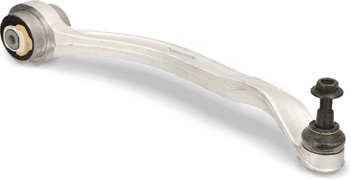
OPTIMAL G5-953 Suspension armFitting Position: Lower, Front, Front Axle, Left; Control/Trailing Arm Type: Control Arm; Length [mm]: 398; Required quantity: 1; Material: Aluminium; Mounting Type: Rubber-Metal Mount; Replace in pairs only: ; Supplementary Article / Supplementary Info Info 2: with ball joint, with rubber mount; Mounting points diameter [mm]: 14,2; Paired product: G5-954; External Thread [mm]: M16 x 1,50 RHT M; Registration Type: TÜV®/GS approved; Bolt Head Diameter [mm]: 19213,99 £*Shipping: 1,99 £Secure redirect to the provider



-
When does photosynthesis occur?
Photosynthesis occurs during the daytime when there is sunlight available. This is because sunlight is the energy source that drives the process of photosynthesis. During photosynthesis, plants use sunlight, carbon dioxide, and water to produce glucose and oxygen. This process is essential for the survival of plants and is the foundation of the food chain, as it provides energy for all living organisms. **
-
Can you describe photosynthesis?
Photosynthesis is the process by which green plants, algae, and some bacteria convert light energy, carbon dioxide, and water into glucose and oxygen. It takes place in the chloroplasts of plant cells and involves two main stages: the light-dependent reactions and the light-independent reactions (Calvin cycle). During the light-dependent reactions, light energy is used to split water molecules and produce ATP and NADPH. These energy carriers are then used in the Calvin cycle to convert carbon dioxide into glucose. Overall, photosynthesis is a crucial process that provides energy for plants and produces oxygen as a byproduct. **
-
Could photosynthesis even work?
Yes, photosynthesis is a fundamental process that allows plants, algae, and some bacteria to convert light energy into chemical energy in the form of glucose. This process involves the absorption of light by chlorophyll, which then drives a series of chemical reactions that ultimately produce glucose and release oxygen as a byproduct. Photosynthesis is essential for the survival of most life on Earth, as it provides the energy and oxygen necessary for the functioning of ecosystems. Without photosynthesis, the Earth's atmosphere would lack oxygen and the food web would collapse. **
-
Is life possible without photosynthesis?
Life as we know it would not be possible without photosynthesis. Photosynthesis is the process by which plants, algae, and some bacteria convert sunlight into energy, which is then used by other organisms for survival. Without photosynthesis, there would be no oxygen production, disrupting the balance of gases in the atmosphere and making it difficult for aerobic organisms to survive. Additionally, the food chain would collapse as primary producers would not be able to create their own food, impacting all other organisms that rely on them for sustenance. **

Does every plant perform photosynthesis?
No, not every plant performs photosynthesis. While the majority of plants are autotrophic and capable of photosynthesis, there are some exceptions. For example, certain parasitic plants obtain nutrients from other plants and do not perform photosynthesis. Additionally, some plants that live in very dark environments, such as deep in the ocean or underground, may not rely solely on photosynthesis for their energy needs. **
What is photosynthesis in biology?
Photosynthesis is the process by which green plants, algae, and some bacteria convert light energy, usually from the sun, into chemical energy stored in glucose molecules. This process involves the absorption of carbon dioxide and water, which are then converted into glucose and oxygen with the help of chlorophyll and other pigments. Photosynthesis is essential for the survival of plants and other organisms that depend on them for food and oxygen. **
Top-Angebote
Products related to Photosynthesis:
-
Rare Purchases Piece Repair Tool Kit With Torx Screwdrivers For Digital Devices And Gadgets magnetismIntroducing our Multifunctional Precision Screwdriver Set, the essential tool kit for anyone who works with digital devices. Whether you're repairing a phone, tablet, PC, or any other gadget, this versatile tool set provides all the necessary...49,97 $*Shipping: 0,00 $Secure redirect to the provider
-
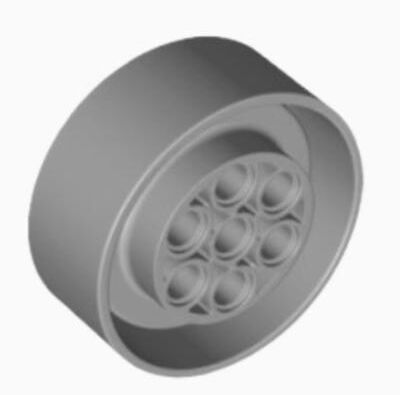
Lush Living Finds Perforated Brick Assembly Toy Accessories With Technology Mechanical Wheels Perforated Brick Assembly Toy Accessories With Technology Mechanical WheelsEnhance Creativity with Technology Mechanical Wheels Unlock the power of innovation with our technology mechanical wheels, designed specifically for perforated brick assembly toy accessories. Whether you are a hobbyist or a seasoned builder, these...43,97 $*Shipping: 0,00 $Secure redirect to the provider
-
Klutz: LEGO GadgetsThis activity kit will have you building 11 machines including a gravity powered car and a wacky boxing robot. The fun doesn't stop once you've completed all of the projects in the book - open-ended prompts will inspire you to continue experimenting...24,99 $*Shipping: 0,00 $Secure redirect to the provider
-
TOPRAN 720 953 Air filterFilter type: Filter Insert; Shape: Cylindrical; Frame Material: Foam; Height: 122; Outer Diameter [mm]: 168; Inner Diameter [mm]: 118; Emissions Standard: CEE 19-5, US 87, CEE 95; for RPO number up to: 07972, 07300; for RPO number from: 07973; TecDoc Engine Number: 28349,99 £*Shipping: 8,45 £Secure redirect to the provider
-
What is photosynthesis?
Photosynthesis is the process by which green plants, algae, and some bacteria convert light energy, usually from the sun, into chemical energy stored in glucose molecules. This process involves the absorption of carbon dioxide and water, which are then converted into glucose and oxygen with the help of chlorophyll and other enzymes. Photosynthesis is crucial for the survival of plants and other organisms that depend on them for food and oxygen. **
-
Can humans perform photosynthesis?
No, humans cannot perform photosynthesis. Photosynthesis is a process carried out by plants, algae, and some bacteria, where they convert sunlight into energy to produce their own food. Humans do not have the necessary organelles, such as chloroplasts, to carry out photosynthesis. Instead, humans obtain energy by consuming food and breaking it down through cellular respiration. **
-
When does photosynthesis occur?
Photosynthesis occurs during the daytime when there is sunlight available. This is because sunlight is the energy source that drives the process of photosynthesis. During photosynthesis, plants use sunlight, carbon dioxide, and water to produce glucose and oxygen. This process is essential for the survival of plants and is the foundation of the food chain, as it provides energy for all living organisms. **
-
Can you describe photosynthesis?
Photosynthesis is the process by which green plants, algae, and some bacteria convert light energy, carbon dioxide, and water into glucose and oxygen. It takes place in the chloroplasts of plant cells and involves two main stages: the light-dependent reactions and the light-independent reactions (Calvin cycle). During the light-dependent reactions, light energy is used to split water molecules and produce ATP and NADPH. These energy carriers are then used in the Calvin cycle to convert carbon dioxide into glucose. Overall, photosynthesis is a crucial process that provides energy for plants and produces oxygen as a byproduct. **
Similar search terms for Photosynthesis
-
VEGAZ FK-953 Catalytic converterFitting Position: Front; Length [mm]: 540; Emissions Standard: Euro 1/Euro 2; Supplementary Article / Supplementary Info: with attachment/mounting material; Registration Type: ECE approved; Certificate: ECE-R103; Construction Year from: 01/1996, 03/1998, 01/1998, 05/1997, 11/1997, 10/1998; Construction Year to: 03/1998, 08/2000, 10/2002; Engine Code: JJA, HCS, JJB; Catalytic Converter Type: for vehicles with catalytic converter; Vehicle Equipment: for vehicles without OBD, for vehicles with air conditioning, for vehicles with OBD; Vehicle Equipment Line/Trim Level: Courier, EEC7 Emissions; TecDoc Engine Number: 12083, 17169238,99 £*Shipping: 1,99 £Secure redirect to the provider
-
OPTIMAL G5-953 Suspension armFitting Position: Lower, Front, Front Axle, Left; Control/Trailing Arm Type: Control Arm; Length [mm]: 398; Required quantity: 1; Material: Aluminium; Mounting Type: Rubber-Metal Mount; Replace in pairs only: ; Supplementary Article / Supplementary Info Info 2: with ball joint, with rubber mount; Mounting points diameter [mm]: 14,2; Paired product: G5-954; External Thread [mm]: M16 x 1,50 RHT M; Registration Type: TÜV®/GS approved; Bolt Head Diameter [mm]: 19213,99 £*Shipping: 1,99 £Secure redirect to the provider
-
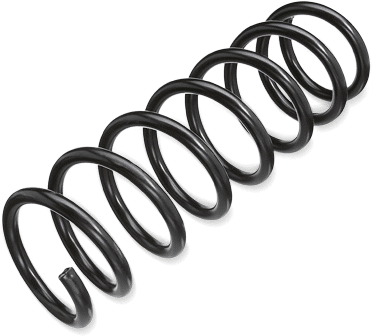
SACHS 998 953 Coil springOuter Diameter [mm]: 157; Diameter: 13; Length [mm]: 386; Fitting Position: Front Axle; Suspension: for vehicles with standard suspension; Wheelbase: short wheelbase; Vehicle Equipment Line/Trim Level: Standarddach; Payload [kg]: 625130,98 £*Shipping: 8,45 £Secure redirect to the provider
-
Could photosynthesis even work?
Yes, photosynthesis is a fundamental process that allows plants, algae, and some bacteria to convert light energy into chemical energy in the form of glucose. This process involves the absorption of light by chlorophyll, which then drives a series of chemical reactions that ultimately produce glucose and release oxygen as a byproduct. Photosynthesis is essential for the survival of most life on Earth, as it provides the energy and oxygen necessary for the functioning of ecosystems. Without photosynthesis, the Earth's atmosphere would lack oxygen and the food web would collapse. **
-
Is life possible without photosynthesis?
Life as we know it would not be possible without photosynthesis. Photosynthesis is the process by which plants, algae, and some bacteria convert sunlight into energy, which is then used by other organisms for survival. Without photosynthesis, there would be no oxygen production, disrupting the balance of gases in the atmosphere and making it difficult for aerobic organisms to survive. Additionally, the food chain would collapse as primary producers would not be able to create their own food, impacting all other organisms that rely on them for sustenance. **
-
Does every plant perform photosynthesis?
No, not every plant performs photosynthesis. While the majority of plants are autotrophic and capable of photosynthesis, there are some exceptions. For example, certain parasitic plants obtain nutrients from other plants and do not perform photosynthesis. Additionally, some plants that live in very dark environments, such as deep in the ocean or underground, may not rely solely on photosynthesis for their energy needs. **
-
What is photosynthesis in biology?
Photosynthesis is the process by which green plants, algae, and some bacteria convert light energy, usually from the sun, into chemical energy stored in glucose molecules. This process involves the absorption of carbon dioxide and water, which are then converted into glucose and oxygen with the help of chlorophyll and other pigments. Photosynthesis is essential for the survival of plants and other organisms that depend on them for food and oxygen. **
* All prices are inclusive of VAT and, if applicable, plus shipping costs. The offer information is based on the details provided by the respective shop and is updated through automated processes. Real-time updates do not occur, so deviations can occur in individual cases. ** Note: Parts of this content were created by AI.