Buy 953.eu ?
We are moving the project
953.eu .
Are you interested in purchasing the domain
953.eu ?
domain@kv-gmbh.de · 0541-91531010
Buy 953.eu ?
What is special about Taq polymerase?
Taq polymerase is special because it is derived from the thermophilic bacterium Thermus aquaticus, which thrives in high-temperature environments. This makes Taq polymerase highly heat-stable, allowing it to withstand the high temperatures used in the polymerase chain reaction (PCR) process. Additionally, Taq polymerase has a unique ability to add nucleotides to DNA strands at high temperatures, making it an essential enzyme for amplifying DNA in PCR. Its heat stability and unique enzymatic properties have made Taq polymerase a crucial tool in molecular biology and genetic research. **
When does the polymerase stop during PCR?
The polymerase stops during PCR at the end of each cycle when the temperature is lowered for the annealing step. This allows the primers to bind to the template DNA and the polymerase to begin synthesizing new DNA strands. After the annealing step, the polymerase resumes its activity during the extension step, where it adds nucleotides to the growing DNA strands. This cycle of denaturation, annealing, and extension is repeated multiple times to amplify the target DNA sequence. **

Similar search terms for Polymerase
Top-Angebote
Products related to Polymerase:
-
Klutz: LEGO GadgetsThis activity kit will have you building 11 machines including a gravity powered car and a wacky boxing robot. The fun doesn't stop once you've completed all of the projects in the book - open-ended prompts will inspire you to continue experimenting...24,99 $*Shipping: 0,00 $Secure redirect to the provider
-
TOPRAN 720 953 Air filterFilter type: Filter Insert; Shape: Cylindrical; Frame Material: Foam; Height: 122; Outer Diameter [mm]: 168; Inner Diameter [mm]: 118; Emissions Standard: CEE 19-5, US 87, CEE 95; for RPO number up to: 07972, 07300; for RPO number from: 07973; TecDoc Engine Number: 28349,99 £*Shipping: 8,45 £Secure redirect to the provider
-
VEGAZ FK-953 Catalytic converterFitting Position: Front; Length [mm]: 540; Emissions Standard: Euro 1/Euro 2; Supplementary Article / Supplementary Info: with attachment/mounting material; Registration Type: ECE approved; Certificate: ECE-R103; Construction Year from: 01/1996, 03/1998, 01/1998, 05/1997, 11/1997, 10/1998; Construction Year to: 03/1998, 08/2000, 10/2002; Engine Code: JJA, HCS, JJB; Catalytic Converter Type: for vehicles with catalytic converter; Vehicle Equipment: for vehicles without OBD, for vehicles with air conditioning, for vehicles with OBD; Vehicle Equipment Line/Trim Level: Courier, EEC7 Emissions; TecDoc Engine Number: 12083, 17169238,99 £*Shipping: 1,99 £Secure redirect to the provider
-
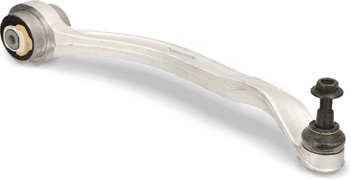
OPTIMAL G5-953 Suspension armFitting Position: Lower, Front, Front Axle, Left; Control/Trailing Arm Type: Control Arm; Length [mm]: 398; Required quantity: 1; Material: Aluminium; Mounting Type: Rubber-Metal Mount; Replace in pairs only: ; Supplementary Article / Supplementary Info Info 2: with ball joint, with rubber mount; Mounting points diameter [mm]: 14,2; Paired product: G5-954; External Thread [mm]: M16 x 1,50 RHT M; Registration Type: TÜV®/GS approved; Bolt Head Diameter [mm]: 19213,99 £*Shipping: 1,99 £Secure redirect to the provider



-
What is the function of polymerase in biology?
Polymerase is an enzyme that plays a crucial role in DNA replication and transcription. It is responsible for catalyzing the formation of new DNA strands by adding complementary nucleotides to a template DNA strand during replication. In transcription, polymerase helps in the synthesis of RNA molecules by transcribing the genetic information from DNA. Overall, polymerase is essential for the accurate and efficient copying of genetic information in cells. **
-
What is the difference between ligase and polymerase?
Ligase and polymerase are both enzymes involved in DNA replication and repair, but they have different functions. Polymerase is responsible for adding new nucleotides to the growing DNA strand during replication, while ligase is responsible for joining together the Okazaki fragments on the lagging strand of DNA. In other words, polymerase synthesizes new DNA strands, while ligase seals the nicks and gaps in the DNA backbone. Additionally, polymerase requires a primer to start DNA synthesis, while ligase does not. **
-
What is the difference between helicase and RNA polymerase?
Helicase is an enzyme that unwinds the double-stranded DNA helix during DNA replication, while RNA polymerase is an enzyme that synthesizes RNA from a DNA template during transcription. Helicase functions to separate the two DNA strands, allowing other enzymes like DNA polymerase to access the DNA for replication. On the other hand, RNA polymerase reads the DNA template and synthesizes a complementary RNA strand. Overall, helicase is involved in DNA replication, while RNA polymerase is involved in transcription. **
-
What is the Polymerase Chain Reaction (PCR) in brief?
The Polymerase Chain Reaction (PCR) is a laboratory technique used to amplify a specific segment of DNA. It involves a series of temperature-controlled cycles that cause the DNA to be repeatedly copied, resulting in a significant increase in the amount of DNA available for analysis. PCR is widely used in various fields such as genetics, forensics, and medical diagnostics, as it allows for the rapid and efficient replication of DNA sequences. This technique has revolutionized the study and application of DNA, enabling researchers to analyze and manipulate genetic material with high precision and speed. **

Why can't the polymerase chain reaction be used to replicate dinosaur DNA?
The polymerase chain reaction (PCR) cannot be used to replicate dinosaur DNA because the DNA from dinosaurs is too old and degraded. Over millions of years, the DNA breaks down and becomes fragmented, making it impossible to accurately replicate using PCR. Additionally, the PCR process requires specific sequences of DNA to work effectively, and the degraded nature of dinosaur DNA makes it difficult to find intact sequences to amplify. Therefore, other methods, such as paleogenomics, are being explored to study and potentially replicate dinosaur DNA. **
Why does the polymerase work in the 3'-5' direction and the 5'-3' direction?
The polymerase works in the 3'-5' direction during proofreading because it is able to detect and remove any incorrectly incorporated nucleotides. This direction allows the polymerase to recognize and excise the incorrect nucleotide from the 3' end of the growing DNA strand. On the other hand, the polymerase works in the 5'-3' direction during DNA synthesis because it adds new nucleotides to the 3' end of the growing DNA strand. This directionality is essential for the accurate and efficient replication of the DNA molecule. **
Top-Angebote
Products related to Polymerase:
-
Rare Purchases Piece Repair Tool Kit With Torx Screwdrivers For Digital Devices And Gadgets magnetismIntroducing our Multifunctional Precision Screwdriver Set, the essential tool kit for anyone who works with digital devices. Whether you're repairing a phone, tablet, PC, or any other gadget, this versatile tool set provides all the necessary...49,97 $*Shipping: 0,00 $Secure redirect to the provider
-
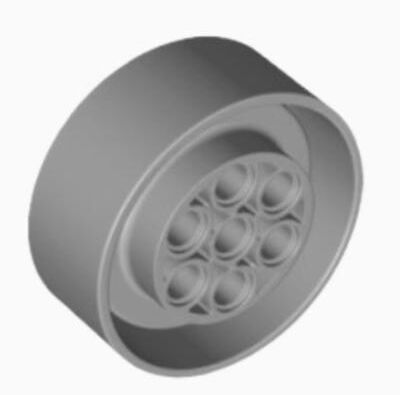
Lush Living Finds Perforated Brick Assembly Toy Accessories With Technology Mechanical Wheels Perforated Brick Assembly Toy Accessories With Technology Mechanical WheelsEnhance Creativity with Technology Mechanical Wheels Unlock the power of innovation with our technology mechanical wheels, designed specifically for perforated brick assembly toy accessories. Whether you are a hobbyist or a seasoned builder, these...43,97 $*Shipping: 0,00 $Secure redirect to the provider
-
Klutz: LEGO GadgetsThis activity kit will have you building 11 machines including a gravity powered car and a wacky boxing robot. The fun doesn't stop once you've completed all of the projects in the book - open-ended prompts will inspire you to continue experimenting...24,99 $*Shipping: 0,00 $Secure redirect to the provider
-
TOPRAN 720 953 Air filterFilter type: Filter Insert; Shape: Cylindrical; Frame Material: Foam; Height: 122; Outer Diameter [mm]: 168; Inner Diameter [mm]: 118; Emissions Standard: CEE 19-5, US 87, CEE 95; for RPO number up to: 07972, 07300; for RPO number from: 07973; TecDoc Engine Number: 28349,99 £*Shipping: 8,45 £Secure redirect to the provider
-
What is special about Taq polymerase?
Taq polymerase is special because it is derived from the thermophilic bacterium Thermus aquaticus, which thrives in high-temperature environments. This makes Taq polymerase highly heat-stable, allowing it to withstand the high temperatures used in the polymerase chain reaction (PCR) process. Additionally, Taq polymerase has a unique ability to add nucleotides to DNA strands at high temperatures, making it an essential enzyme for amplifying DNA in PCR. Its heat stability and unique enzymatic properties have made Taq polymerase a crucial tool in molecular biology and genetic research. **
-
When does the polymerase stop during PCR?
The polymerase stops during PCR at the end of each cycle when the temperature is lowered for the annealing step. This allows the primers to bind to the template DNA and the polymerase to begin synthesizing new DNA strands. After the annealing step, the polymerase resumes its activity during the extension step, where it adds nucleotides to the growing DNA strands. This cycle of denaturation, annealing, and extension is repeated multiple times to amplify the target DNA sequence. **
-
What is the function of polymerase in biology?
Polymerase is an enzyme that plays a crucial role in DNA replication and transcription. It is responsible for catalyzing the formation of new DNA strands by adding complementary nucleotides to a template DNA strand during replication. In transcription, polymerase helps in the synthesis of RNA molecules by transcribing the genetic information from DNA. Overall, polymerase is essential for the accurate and efficient copying of genetic information in cells. **
-
What is the difference between ligase and polymerase?
Ligase and polymerase are both enzymes involved in DNA replication and repair, but they have different functions. Polymerase is responsible for adding new nucleotides to the growing DNA strand during replication, while ligase is responsible for joining together the Okazaki fragments on the lagging strand of DNA. In other words, polymerase synthesizes new DNA strands, while ligase seals the nicks and gaps in the DNA backbone. Additionally, polymerase requires a primer to start DNA synthesis, while ligase does not. **
Similar search terms for Polymerase
-
VEGAZ FK-953 Catalytic converterFitting Position: Front; Length [mm]: 540; Emissions Standard: Euro 1/Euro 2; Supplementary Article / Supplementary Info: with attachment/mounting material; Registration Type: ECE approved; Certificate: ECE-R103; Construction Year from: 01/1996, 03/1998, 01/1998, 05/1997, 11/1997, 10/1998; Construction Year to: 03/1998, 08/2000, 10/2002; Engine Code: JJA, HCS, JJB; Catalytic Converter Type: for vehicles with catalytic converter; Vehicle Equipment: for vehicles without OBD, for vehicles with air conditioning, for vehicles with OBD; Vehicle Equipment Line/Trim Level: Courier, EEC7 Emissions; TecDoc Engine Number: 12083, 17169238,99 £*Shipping: 1,99 £Secure redirect to the provider
-
OPTIMAL G5-953 Suspension armFitting Position: Lower, Front, Front Axle, Left; Control/Trailing Arm Type: Control Arm; Length [mm]: 398; Required quantity: 1; Material: Aluminium; Mounting Type: Rubber-Metal Mount; Replace in pairs only: ; Supplementary Article / Supplementary Info Info 2: with ball joint, with rubber mount; Mounting points diameter [mm]: 14,2; Paired product: G5-954; External Thread [mm]: M16 x 1,50 RHT M; Registration Type: TÜV®/GS approved; Bolt Head Diameter [mm]: 19213,99 £*Shipping: 1,99 £Secure redirect to the provider
-
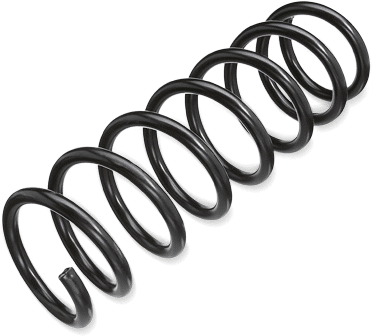
SACHS 998 953 Coil springOuter Diameter [mm]: 157; Diameter: 13; Length [mm]: 386; Fitting Position: Front Axle; Suspension: for vehicles with standard suspension; Wheelbase: short wheelbase; Vehicle Equipment Line/Trim Level: Standarddach; Payload [kg]: 625130,98 £*Shipping: 8,45 £Secure redirect to the provider
-
What is the difference between helicase and RNA polymerase?
Helicase is an enzyme that unwinds the double-stranded DNA helix during DNA replication, while RNA polymerase is an enzyme that synthesizes RNA from a DNA template during transcription. Helicase functions to separate the two DNA strands, allowing other enzymes like DNA polymerase to access the DNA for replication. On the other hand, RNA polymerase reads the DNA template and synthesizes a complementary RNA strand. Overall, helicase is involved in DNA replication, while RNA polymerase is involved in transcription. **
-
What is the Polymerase Chain Reaction (PCR) in brief?
The Polymerase Chain Reaction (PCR) is a laboratory technique used to amplify a specific segment of DNA. It involves a series of temperature-controlled cycles that cause the DNA to be repeatedly copied, resulting in a significant increase in the amount of DNA available for analysis. PCR is widely used in various fields such as genetics, forensics, and medical diagnostics, as it allows for the rapid and efficient replication of DNA sequences. This technique has revolutionized the study and application of DNA, enabling researchers to analyze and manipulate genetic material with high precision and speed. **
-
Why can't the polymerase chain reaction be used to replicate dinosaur DNA?
The polymerase chain reaction (PCR) cannot be used to replicate dinosaur DNA because the DNA from dinosaurs is too old and degraded. Over millions of years, the DNA breaks down and becomes fragmented, making it impossible to accurately replicate using PCR. Additionally, the PCR process requires specific sequences of DNA to work effectively, and the degraded nature of dinosaur DNA makes it difficult to find intact sequences to amplify. Therefore, other methods, such as paleogenomics, are being explored to study and potentially replicate dinosaur DNA. **
-
Why does the polymerase work in the 3'-5' direction and the 5'-3' direction?
The polymerase works in the 3'-5' direction during proofreading because it is able to detect and remove any incorrectly incorporated nucleotides. This direction allows the polymerase to recognize and excise the incorrect nucleotide from the 3' end of the growing DNA strand. On the other hand, the polymerase works in the 5'-3' direction during DNA synthesis because it adds new nucleotides to the 3' end of the growing DNA strand. This directionality is essential for the accurate and efficient replication of the DNA molecule. **
* All prices are inclusive of VAT and, if applicable, plus shipping costs. The offer information is based on the details provided by the respective shop and is updated through automated processes. Real-time updates do not occur, so deviations can occur in individual cases. ** Note: Parts of this content were created by AI.